How Appreciation and Amortization Benefit Homeowners
How Appreciation and Amortization Benefit Homeowners
Owning a home is not only a place to live but also a valuable asset that can contribute to long-term wealth accumulation. Two key factors that play a vital role in increasing a homeowner’s wealth are appreciation and amortization. Understanding how these factors work can provide homeowners with insights into building substantial financial equity over time.
Appreciation refers to the increase in the value of a property over time. Real estate markets tend to experience appreciation in the long run, although it can fluctuate in the short term. This appreciation can significantly benefit homeowners’ wealth accumulation in several ways.
As a property appreciates, the homeowner’s equity, which is the difference between the property value and the mortgage balance, increases. This equity serves as an asset that can be leveraged for future financial endeavors.
Capital Gains: When homeowners decide to sell their property, the appreciation becomes recognizable. The difference between the purchase price and the selling price results in a capital gain, which can be taxed at favorable rates. Homeowners benefit from an exclusion of up to $500,000 of capital gain for married taxpayers filing jointly. If the gains exceed the exclusion, they are taxed at a lower capital gains rate.
Amortization refers to the gradual repayment of a mortgage loan over time. It is facilitated through monthly mortgage payments, which consist of both principal and interest. With each mortgage payment, a portion goes towards reducing the principal balance of the loan. This reduction in debt increases the homeowner’s equity in the property, effectively building wealth over time.
Amortization acts as a form of forced savings. Homeowners are essentially paying themselves by building equity with each payment, rather than paying rent to a landlord. As the mortgage balance decreases, homeowners gain ownership of a more significant portion of the property, leading to increased wealth.
As equity grows, homeowners can access it through home equity loans or lines of credit, allowing them to invest in other ventures or make home improvements that can further enhance the value of their property.
Understanding the dynamics of appreciation and amortization is crucial for homeowners looking to accumulate wealth through their real estate investments whether it be a home or a rental. Appreciation allows for capital gains and the growth of equity, while amortization steadily reduces debt and builds equity over time. By leveraging these two factors effectively, homeowners can secure their financial future and take advantage of the long-term wealth-building potential of homeownership.
Equity Is a Game Changer for Homeowners Looking To Sell
If you’re a homeowner, you might be torn on whether or not to sell your house right now. Maybe that’s because you don’t want to take on a higher mortgage rate on your next home. If that’s your biggest hurdle, understanding your equity may be exactly what you need to help you feel more comfortable making your move.
What Equity Is and How It Works
Equity is the current value of your home minus what you owe on the loan. And recently, that equity has been growing far faster than you may expect.
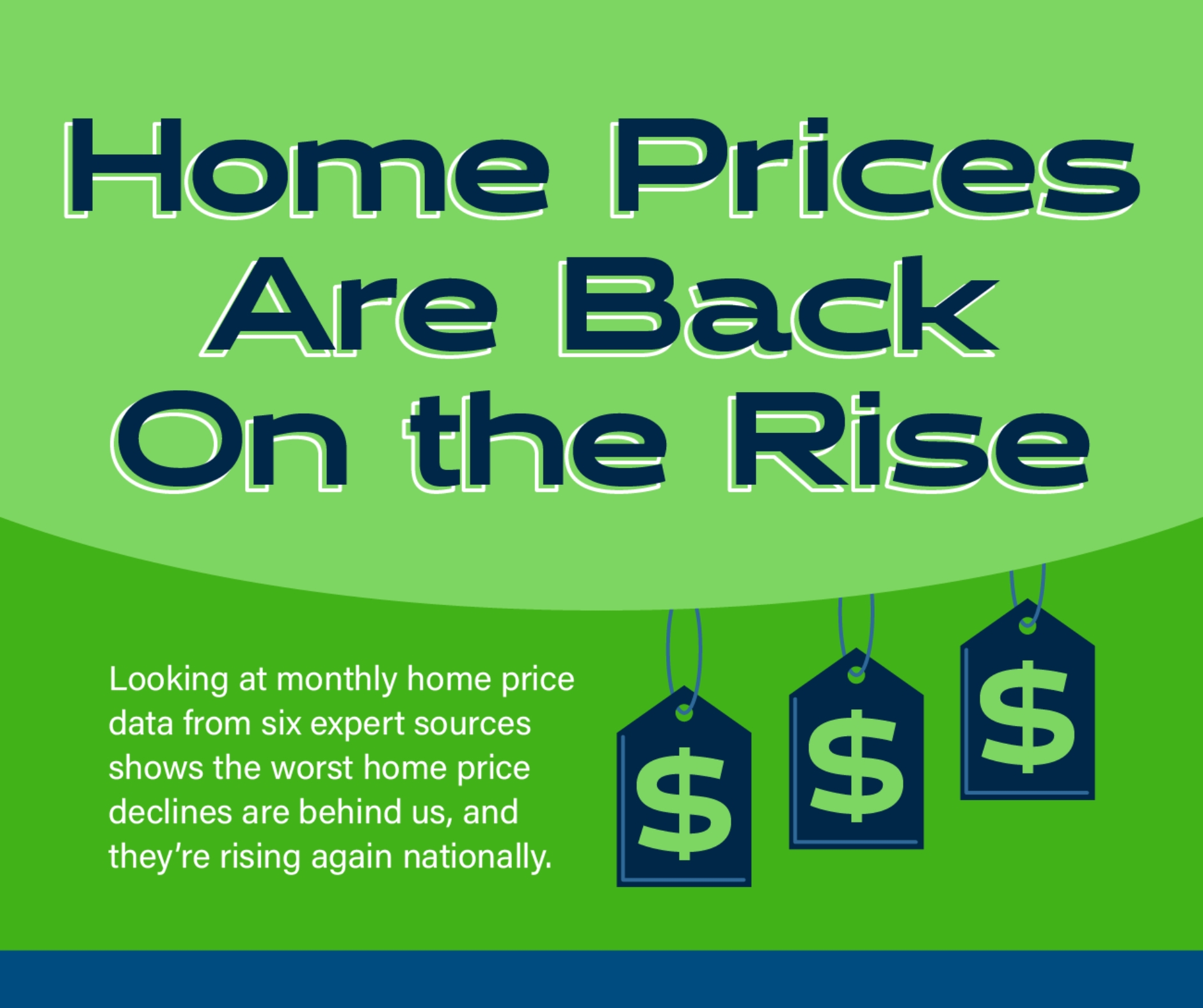
Over the last few years, home prices rose dramatically, and that gave your equity a big boost very quickly. While the market has started to normalize, there’s still an imbalance between the number of homes available for sale and the number of buyers looking to make a purchase. And it’s because homes are in such high demand that prices are back on the rise today. Rob Barber, CEO of ATTOM, a property data provider, explains:
“Equity levels were high even during the recent downturn, and now they are going back up and better than ever.”
How Equity Benefits You in Today’s Market
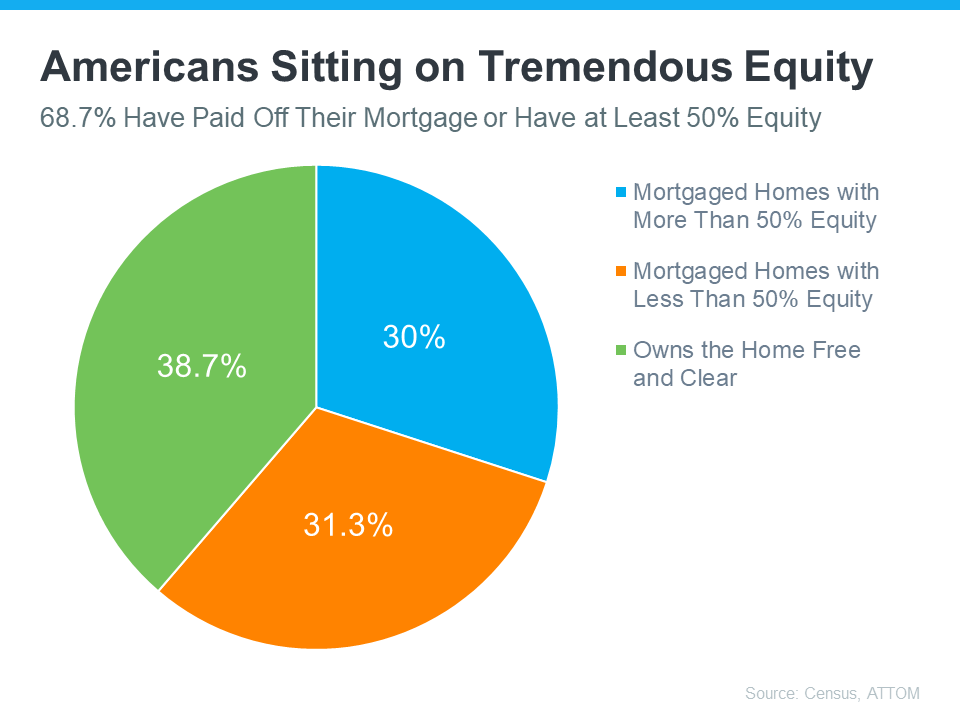
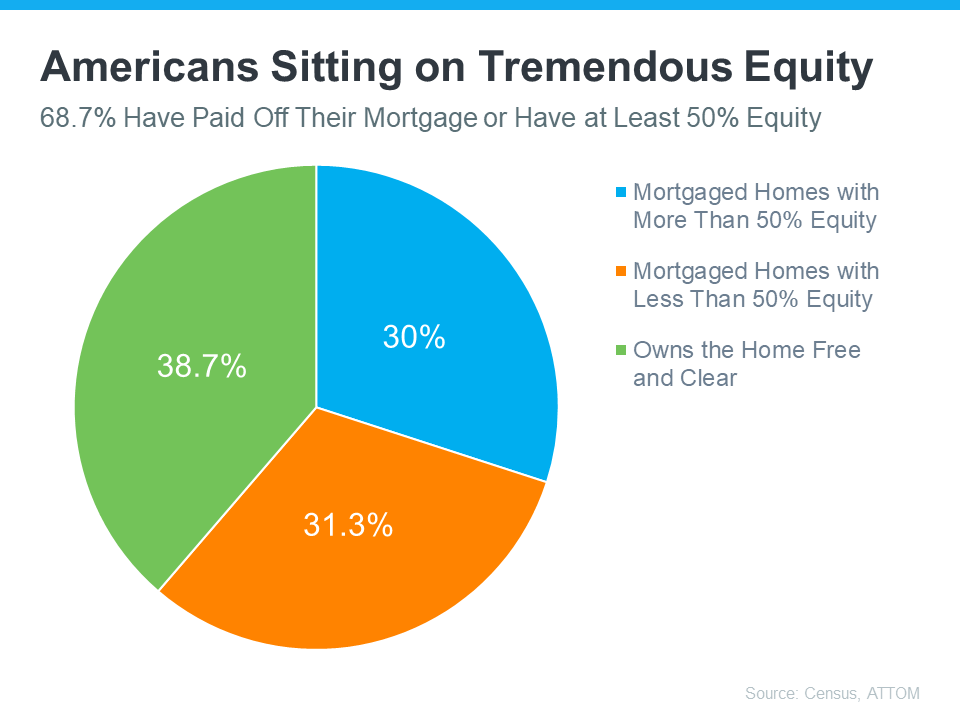
With today’s affordability challenges, that equity can be a game changer when you move. Here’s why. Based on data from ATTOM and the Census, nearly two-thirds (68.7%) of homeowners have either paid off their mortgages or have at least 50% equity (see chart below):
That means roughly 70% have a tremendous amount of equity right now.
Once you sell your house, you can use your equity to help with your next purchase. It could be some (if not all) of what you’ll need for your next down payment. It may even be enough to allow you to put a considerably larger down payment on your next home, so you don’t have to finance quite as much. And, if you’ve been in your current house for years, you may have even built up enough equity to pay in all cash. If that’s true for you, you’d be able to avoid borrowing altogether, so you wouldn’t have to worry about today’s mortgage rates.
How To Find Out How Much Equity You Have
The best way to learn how much you have is to reach out to a trusted real estate agent for a Professional Equity Assessment Report (PEAR). Let’s Talk!! Give us a Call: 910.612.5312
Bottom Line
If you’re planning to make a move, the equity you’ve gained can make a big impact. To find out just how much equity you have in your current home and how you can use it to fuel your next purchase, let’s connect.
When it comes to wealth accumulation, homeownership offers a unique advantage through the combined forces of appreciation and amortization. These two factors work hand in hand to contribute significantly to a homeowner’s financial journey towards building long-term wealth.
Appreciation refers to the increase in the value of a property over time. While real estate markets can experience fluctuations, historically, properties have shown a tendency to appreciate over the long term. Homeowners enjoy the benefits of appreciation, which directly impacts their overall wealth accumulation.
As property values rise, homeowners build equity, which is the difference between the home’s market value and the remaining mortgage balance. This equity can serve as an asset which can be tapped into for various purposes, such as funding education, starting a business, or investing in additional properties.
Amortization refers to the process of gradually paying off a mortgage loan over time. Each monthly payment made by a homeowner consists of both principal (the amount borrowed) and interest (the cost of borrowing). As time goes on, the proportion of each payment dedicated to the principal increases, while the portion allocated to interest decreases.
This gradual reduction of the mortgage balance is a significant advantage for homeowners. With each payment, equity in the property grows, and the homeowner’s wealth increases. Additionally, the principal payments made towards the mortgage are essentially a form of forced savings, allowing homeowners to accumulate wealth in the form of home equity.
One of the primary advantages of homeownership is the ability to leverage home equity for financial opportunities. As mentioned earlier, appreciation and amortization work in tandem to build equity in a property. Homeowners can utilize this equity through various means, such as home equity loans or lines of credit, cash-out refinancing, or selling the property altogether.
These options allow homeowners to access their accumulated wealth to invest in other ventures, pay for major expenses, or consolidate high-interest debt. By leveraging home equity strategically, homeowners can further expand their wealth accumulation and achieve their financial goals.
Understanding the dynamics of appreciation and amortization is vital for homeowners seeking to accumulate wealth. Appreciation builds equity by increasing property values over time, while amortization allows homeowners to steadily pay down their mortgage and build home equity. By harnessing the power of these dual forces, homeowners can leverage their accumulated equity for financial opportunities and enjoy the long-term benefits of wealth accumulation.
Here’s what experts have to say about what lies ahead for inventory, mortgage rates, and home prices. Let’s connect so you know what to expect in the housing market for the rest of the year.
Renting or Selling Your House: What’s the Best Move?
Renting or Selling Your House: What’s the Best Move?
If you’re a homeowner ready to make a move, you may be thinking about using your current house as a short-term rental property instead of selling it. A short-term rental (STR), or Vacation Rental (VR) is typically offered as an alternative to a hotel or resort, and they’re an investment that’s gained popularity in recent years.
While a short-term rental can be a tempting idea, you may find the reality of being responsible for one difficult to take on. Having managed 100’s of short term rentals for several decades myself; I can assure you that there is more to it than a lot of beginners realize. Here are some of the challenges you could face if you rent out your house instead of selling it.
A Short-Term Rental Comes with Responsibilities
Successfully managing your house as a short-term rental takes a lot of time and effort. You’ll have to juggle tasks like dealing with reservations, organizing check-ins, and tackling cleaning, landscape, and maintenance duties. Any one of those can feel demanding, but all together it’s a lot to handle.
Short-term rentals experience high turnover rates, as new guests check in and out frequently. This home traffic can lead to increased wear and tear on your property—meaning you may need to make more frequent repairs or replace your furniture, fixtures, and appliances more often.
Think through your ability to make that level of commitment, especially if you plan to use a platform that advertises your rental listing. Most of them have specific requirements hosts must meet. An article from Bankrateexplains:
“Managing a rental property can be time-consuming and challenging. Are you handy and able to make some repairs yourself? If not, do you have a network of affordable contractors you can reach out to in a pinch? Consider whether you want to take on the added responsibility of being a landlord, which means screening tenants and fielding issues, among other responsibilities, or paying for a third party to take care of things instead.”
There’s a lot to consider before taking the leap and converting your house into a short-term rental. If you aren’t ready for the work it takes, it could be wise to sell instead or at least hire a professional, licensed Manager.
Short-Term Rental Regulations
As the short-term rental industry continues to grow, regulations have increased. Legal restrictions commonly include vacation rentals in a particular neighborhoods. HOA rules and restrictions may not allow them.
Many cities, counties and state also require homeowners to collect, account for, and submit sales and use taxes, accomodation taxes, or other taxes/fees when renting out their properties. Nick Del Pego, CEO at Deckard Technologies, explains:
“Renting short-term rentals is considered a business by most local governments, and owners must comply with specific regulations and business tax rules established in their local communities.”
It is important to thoroughly check whether short-term rentals are regulated or prohibited by the local government and your homeowners association (HOA) before even considering renting out your home.
Don’t Forget the Obvious
A short term rental also means completing furnishing and outfitting the property down to the forks and spoons. It means carrying all of the utilities (including television and Internet services). And don’t forget about departure cleaning after each stay and fresh linens for each new guest.
Bottom Line
Converting your home into a short-term rental isn’t a decision you should make without doing your research. If I can help answer further questions about what it takes have a successful short-term rental, please reach out. If you decide selling your house is a better alternative, let’s connect today.
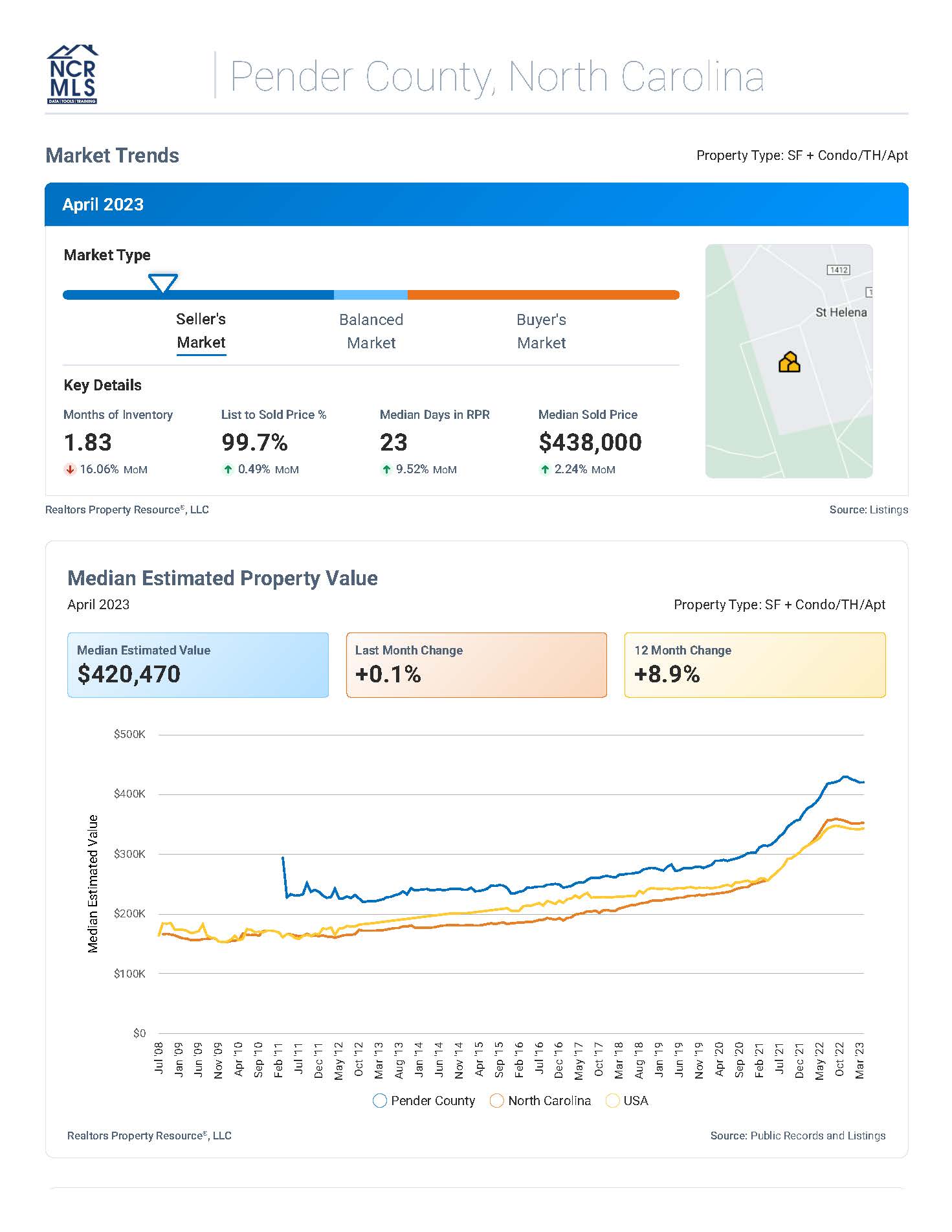
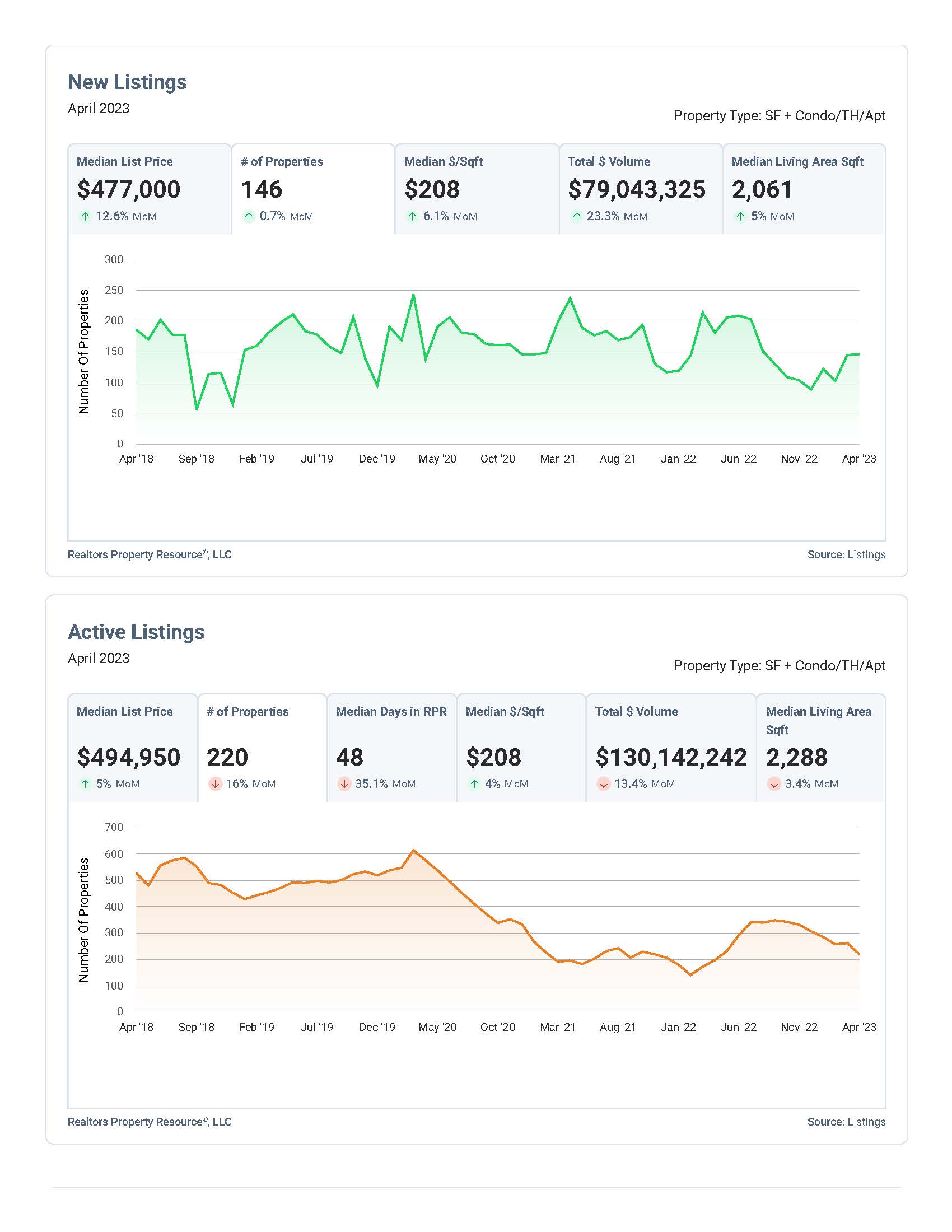
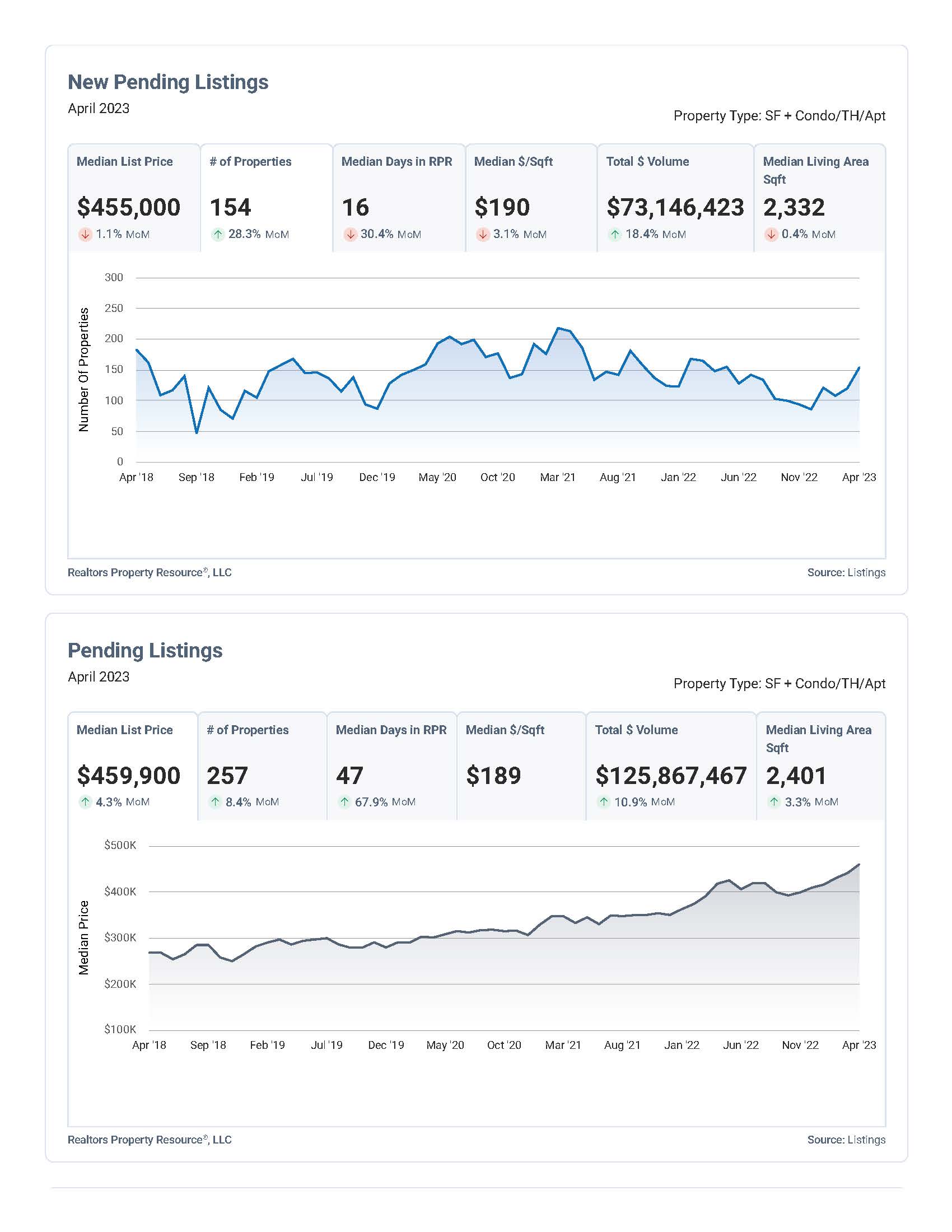
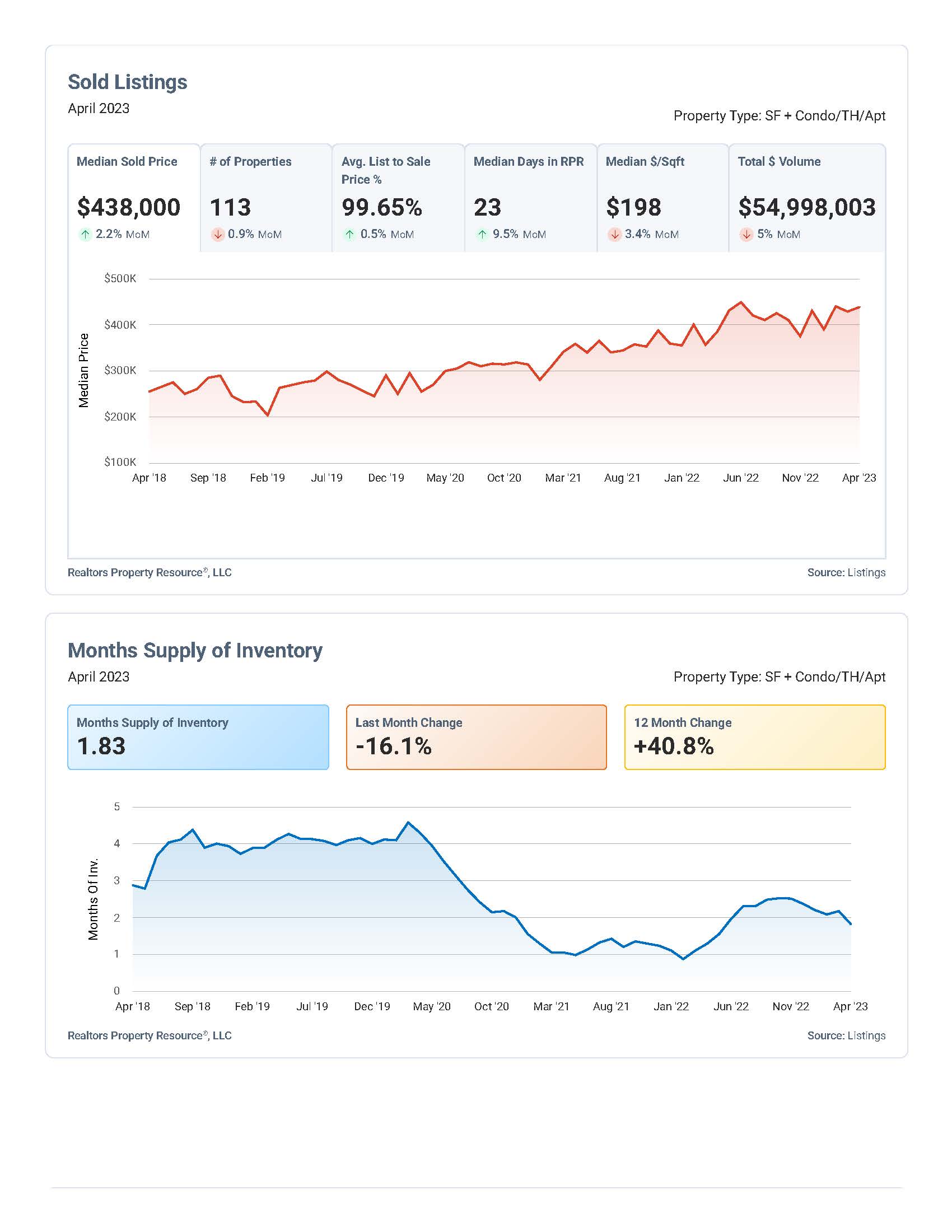
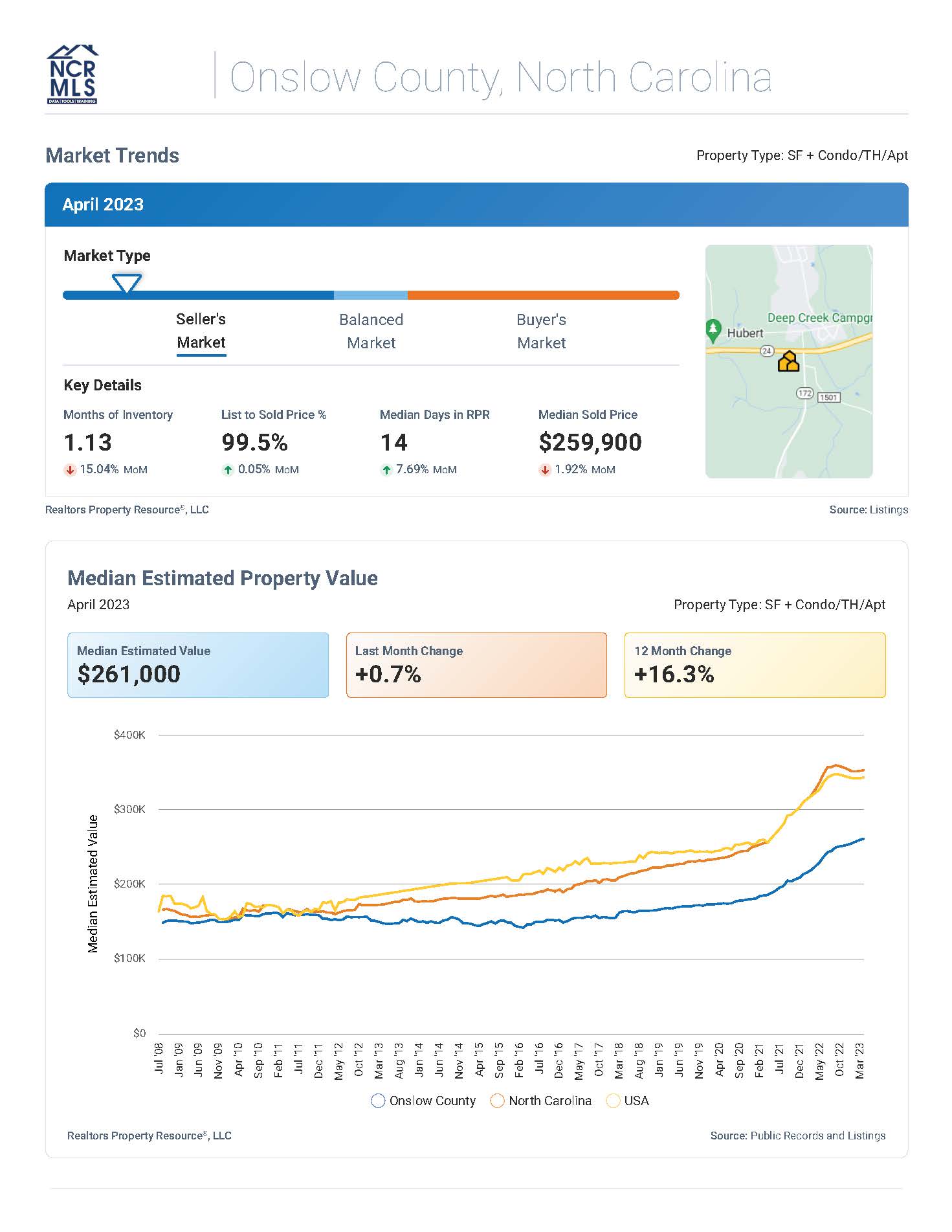
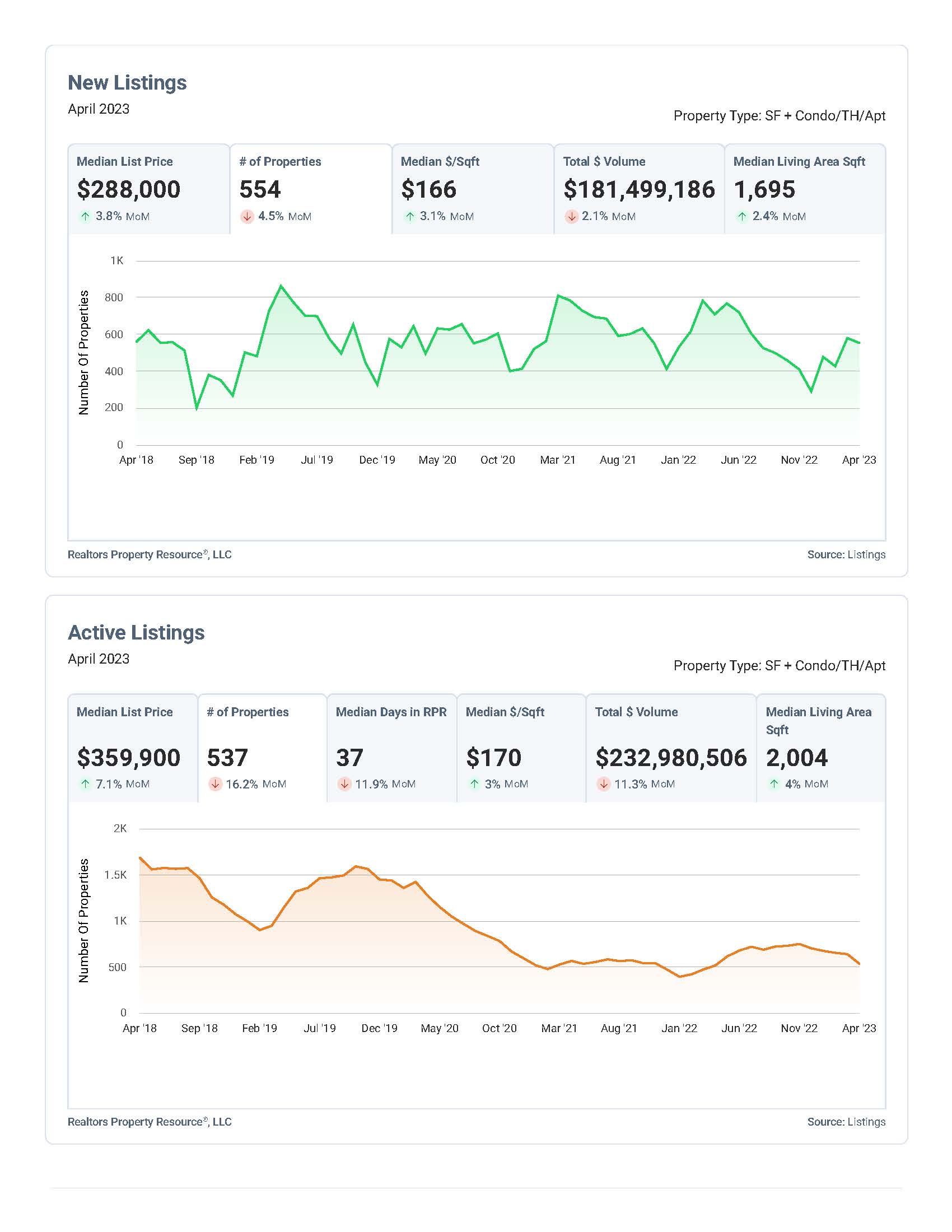
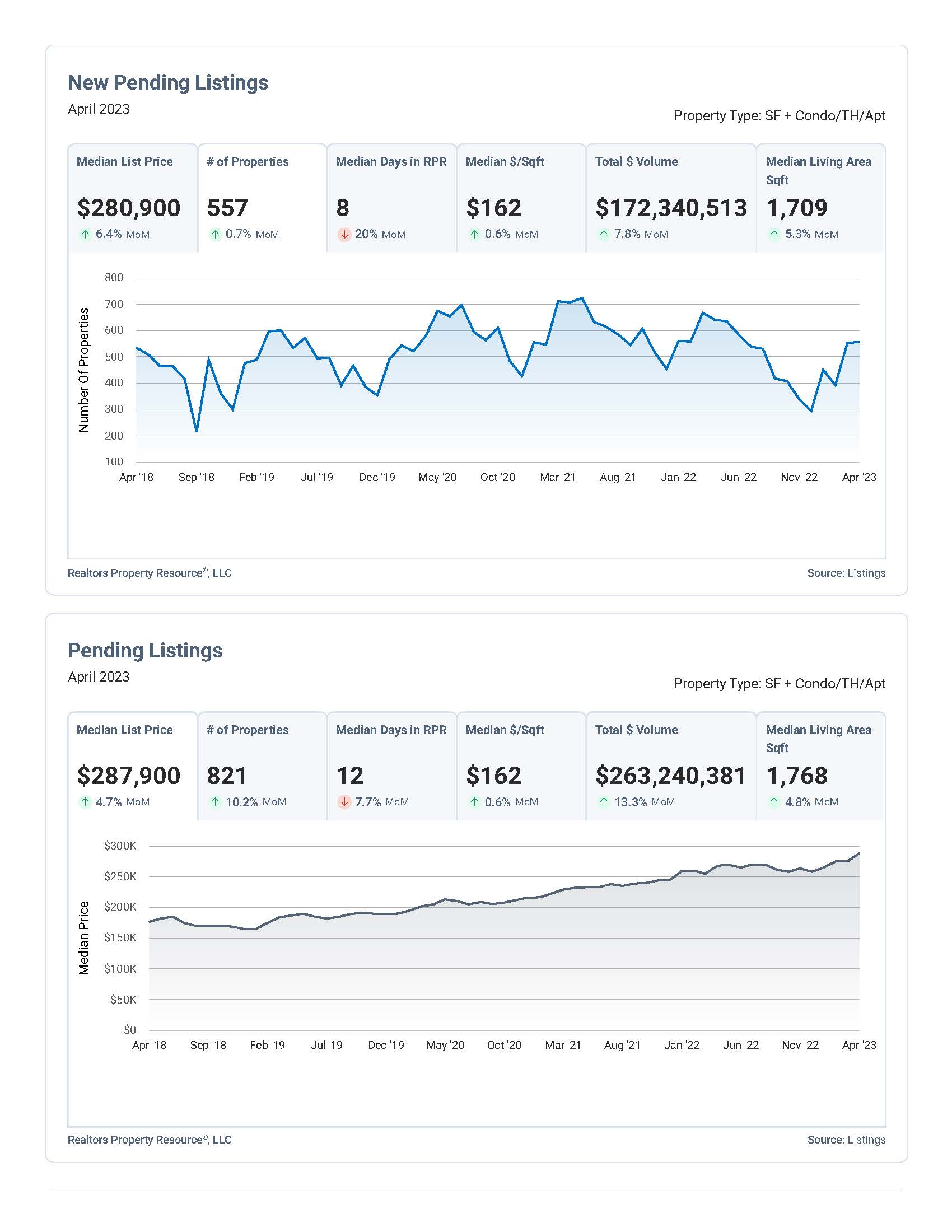
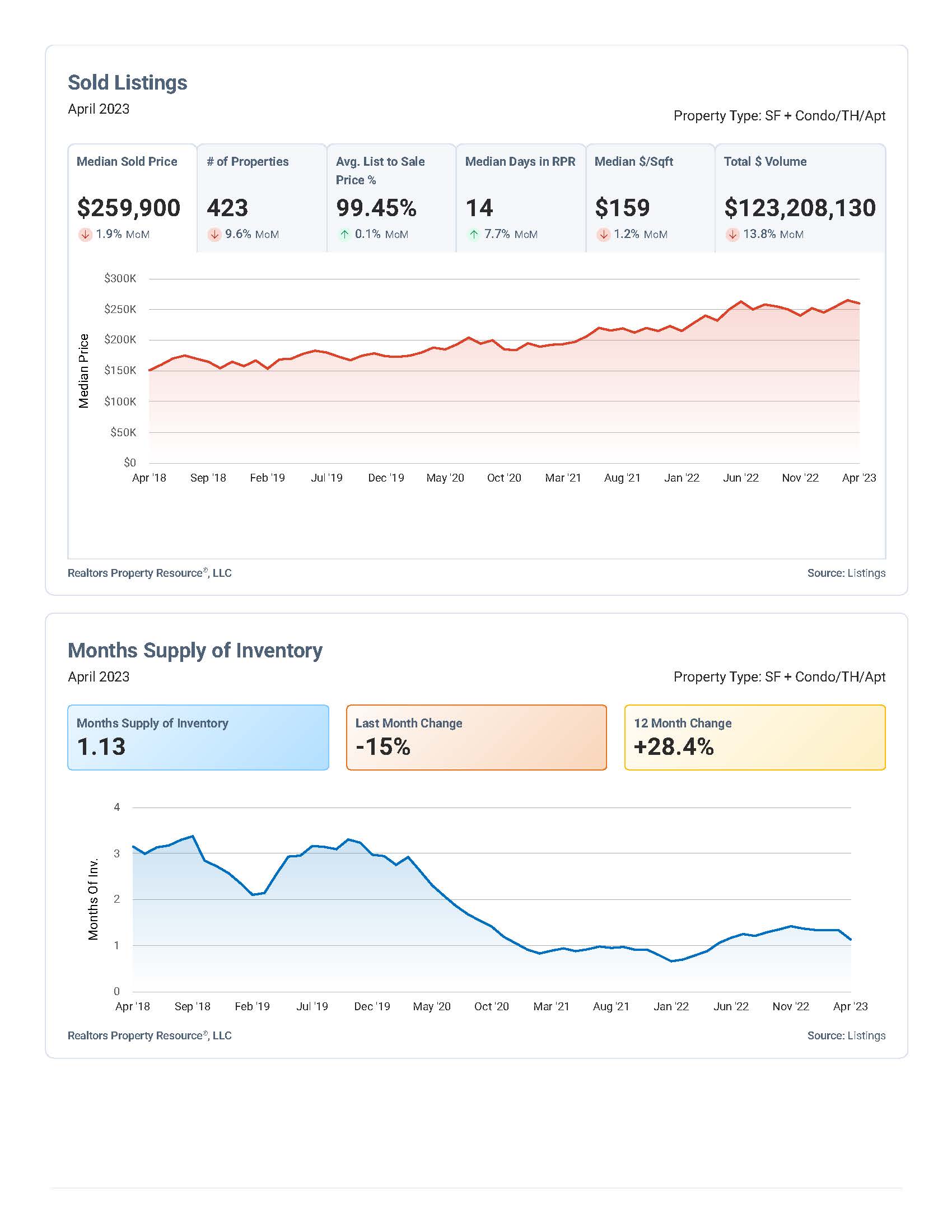
The local markets in Pender and Onslow Counties have been quite active. In the reports below; provided through the Realtors Property Resource, we can drill down into the market trends so that we can help clients make informed decisions. Please reach out to us to discuss what these trends mean to you and your real estate needs whether buying or selling.
by Scott Erickson, Owner/Broker/President, Century 21 Action, Inc.
The current real estate market is Red Hot and taking advantage of this opportunity is something that most people have at least considered. With over 50 years in the local real estate market at Century 21 Action, we have some advice to share for these market conditions.
FIRST OFFERS:
The first offers, over the first day or first couple weeks, are typically the best offers. Waiting for a better offer is often a mistake and can cost both time and money. Today’s buyers are hot to trot and are not keen on waiting around. The internet has changed the marketplace over the last decade and the buyer’s that are ready to pull the trigger immediately are pouncing on new listings as soon as they hit the market. There are typically people waiting for properties like yours to hit the market, and they’ve been patient. But waiting to see what else comes in could mean waiting for others to match your property’s characteristics which could take some time. Meanwhile the hungry buyers have moved on or found (bought) something else.
LISTING LAUNCH:
When the property goes live to the marketplace (via the MLS, Internet Real Estate Websites, Company and Agent Marketing, Etc) it’s extremely important that it’s READY to go. Meaning the property is immediately ready for showings, you have waited for quality pictures on pretty days with a top photographer, all the support materials that buyers might request is ready for them. When it hits the Internet and MLS it is extremely important that a quality presentation is made from the start, because all of those buyers that were patiently waiting for a property like yours will form their opinion as soon as they see it. Fixing something later often means you’ve lost your chance with that first round of buyers; they’ve already formed their opinion and changing their opinions can be nearly impossible. The old saying rings true…First Impressions are extremely important. Property website views drop drastically after the initial launch. And most potential buyers will not look at it online a second time because they primarily focus on new listings…because the other good listings are selling so quickly.
MARKET POSITIONING:
What is market positioning? Setting the Listing Price. Positioning helps to think about the price of the property in a more realistic mindset. Every seller wants more “price”, who doesn’t? But thinking about the price in terms of “positioning” helps to remember the importance of it all. Today’s buyer’s are extremely savvy. They have likely viewed hundreds of properties on the internet before coming across yours. If it’s overpriced, they are going to KNOW it, and they will move on and you have missed your chance with them. At the same time, we are finding that properties that are positioned correctly are selling for better overall terms, including price; often with multiple offers (bidding wars) for more than the listed price.
HIRE THE RIGHT AGENT:
In southeastern North Carolina it often joked that there are more real estate agents than grains of sand on the beach. Picking the right agent is not an easy task, especially considering that about 20% of the agents conduct about 80% of the business. When selecting a Listing Agent for you and your property ensure the following:
How much experience do they, and their firm, have your property type and location.
Do they, and their firm, have extensive local knowledge and experience in your specific market area to help you avoid any legal pitfalls or disclosure issues.
Does the agent have good expertise working the listing side of transactions (versus the buyer side).
Education, Qualifications, Awards, and ongoing training are important in this quickly changing industry.
In today’s market it is becoming less and less common that a single agent handles both “sides” of the transaction. Buyer’s enlist a Buyer’s Agent representing their unique needs and Seller’s hire a Listing Agent to represent their unique needs. Although many agents are experienced and properly trained for handling either side of the transaction, but when a single agent handles both sides of the same transaction, both parties lose that agent’s negotiation skills on their behalf because they can’t legally negotiate for both. Because of this, it’s extremely likely that the listing agent will not be the one that brings the buyer to the table, but they will be your marketing pro and in your corner through negotiations.
EXPERIENCE MATTERS:
With a hot market, an experienced real agent is even more important than ever. Experience = Knowledge, Expertise, Integrity, Cool Head, Consulting, Honesty, Education and Training beyond a license course. A well trained local agent can save their clients countless headaches, thousands of dollars, and lots of frustration that could have been avoided. At Century 21 Action we are known as the training and education firm, we are known for our quality agents, we are known for our Top Producers.
Would you like an idea about your current property value? Use our free and easy tool. Property Valuation
About the Author: Scott Erickson is the Owner, Broker In Charge, and President of Century 21 Action, Inc. Scott has been practicing in real estate for over 26 years with extensive experience in all form and types of real estate sales, real estate training and consulting, vacation rental management, property management, and seminar speaker and panelist. He has earned the following professional designations, Certified Real Estate Brokerage Manager, Certified Residential Specialist, Accredited Buyer Representative, Accredited Buyer Representative Manager, Recreational and Resort Specialist, Resort Rating Specialist, e-Pro, and REALTOR. He graduated from the University of North Carolina in 1997 with a double major in Marketing and Management. Century 21 Action, Inc. has been a multi-year Quality Service Award winning office.
by Scott Erickson, Owner/Broker/President, Century 21 Action, Inc.
The current real estate market is Red Hot and taking advantage of this opportunity is something that most people have at least considered. With over 50 years in the local real estate market at Century 21 Action, we have some advice to share for these market conditions.
NEW LISTINGS:
If you are in the market for a new home you have likely been scouring the listings nearly everyday. You have undoubtly seen that most listings are “Going Under Contract” or “Pending” within the first several days of hitting the market. It makes the home buying experience challenging. If you’re ready to pull the trigger on a new property, be prepared to line up a showing through your Buyer Agent as quickly as possible. Many property types are getting over a dozen showings the first day on the market with offers coming in by that evening. If a personal showing isn’t possible you might consider a virtual showing through your agent, and while this trend is becoming very popular, some people just aren’t comfortable with making an offer without stepping into the property themselves. Decide your own comfort level and needs; there are not any right or wrong answers.
QUICK OFFERS:
As mentioned above, many properties are getting multiple offers within the first 24 hours. If you’re ready to buy, make sure you have your ducks in a row ahead of time so when you find the next dream home nothing is slowing you down. Getting a pre-approval letter from your lender can help your offer standout; not presenting a pre-approval letter with your offer could cause the seller to select a different offer. Make sure you’re mentally prepared to make a quick offer, it can create little anxiety if feel like you’re under pressure to move fast and didn’t prepare yourself for that scenario.
CLEAN OFFERS:
In a hot market with multiple offer situations, it’s important to keep your offer as attractive to the seller as possible. Extra contingencies, longer closing times, lower Due Diligence Fees or Earnest Money deposits, requesting seller concessions, etc. could cause your offer to be set aside over other offers.
BEST OFFERS:
It’s very possible that the seller could be in a multiple offer situation, and some may be for better terms (and price). Seller’s are only allowed to “counteroffer” one offer/buyer at a time. Although the seller could ask every buyer’s Highest and Best offer before making a decision, but they may not give everyone that opportunity if one of the first offers was a standout. Be prepared to make your best offer, your first offer. You may not get a second chance to improve it and it may prevent a bidding war if your offer is the standout. Keep in mind that your best offer could mean offering more than the listing price; decide based on your comfort level for the property at hand.
LOW INVENTORY/INCREASING PRICES:
The local market is experiencing one of the lowest listing inventories in a very long time. Meanwhile both listing prices and especially construction prices have been rising fast. Our local markets, and most of the nation, is experiencing a housing shortage; both for sale and for lease. How long this will last is honestly anyone’s guess. Waiting to buy could mean paying more for a similar house later. Waiting to buy could mean settling for a smaller house for the same price. Waiting to buy could mean higher interest rates. Not getting your offer accepted on the current house you’ve found could result in the above scenarios forcing themselves upon you with the next one.
HIRE THE RIGHT AGENT:
In southeastern North Carolina it often joked that there are more real estate agents than grains of sand on the beach. Picking the right agent is not an easy task, especially considering that about 20% of the agents conduct about 80% of the business. When selecting a Buyer Agent for you and your property ensure the following:
How much experience do they, and their firm, have your property type and location.
Do they, and their firm, have extensive local knowledge and experience in your specific market area to help you avoid any legal pitfalls or disclosure issues.
Does the agent have good expertise working the buyer side of transactions (versus the seller side…more below).
Education, Qualifications, Awards, and ongoing training are important in this quickly changing industry.
In today’s market it is becoming less and less common that a single agent handles both “sides” of the transaction. Buyer’s enlist a Buyer’s Agent representing their unique needs and Seller’s hire a Listing Agent to represent their unique needs. Although many agents are experienced and properly trained for handling either side of the transaction, but when a single agent handles both sides of the same transaction, both parties lose that agent’s negotiation skills on their behalf because they can’t legally negotiate for both. Keep in mind, contacting the Listing agent about a property you’re interested in is not typically a buyer’s best move.
EXPERIENCE MATTERS:
With a hot market, an experienced real agent is even more important than ever. Experience = Knowledge, Expertise, Integrity, Cool Head, Consulting, Honesty, Education and Training beyond a license course. A well trained local agent can save their clients countless headaches, thousands of dollars, and lots of frustration that could have been avoided. At Century 21 Action we are known as the training and education firm, we are known for our quality agents, we are known for our Top Producers.
Want to see the newest listings first? Use our free advanced search tool and save your search. New listings to your inbox every morning. Advanced Search
About the Author: Scott Erickson is the Owner, Broker In Charge, and President of Century 21 Action, Inc. Scott has been practicing in real estate for over 28 years with extensive experience in all form and types of real estate sales, real estate training and consulting, vacation rental management, property management, and seminar speaker and panelist. He has earned the following professional designations, Certified Real Estate Brokerage Manager, Certified Residential Specialist, Accredited Buyer Representative, Accredited Buyer Representative Manager, Recreational and Resort Specialist, Resort Rating Specialist, e-Pro, and REALTOR. He graduated from the University of North Carolina in 1997 with a double major in Marketing and Management. Century 21 Action, Inc. has been a multi-year Quality Service Award winning office.